






Cleanroom Sandwich Panels
HPL sandwich panel
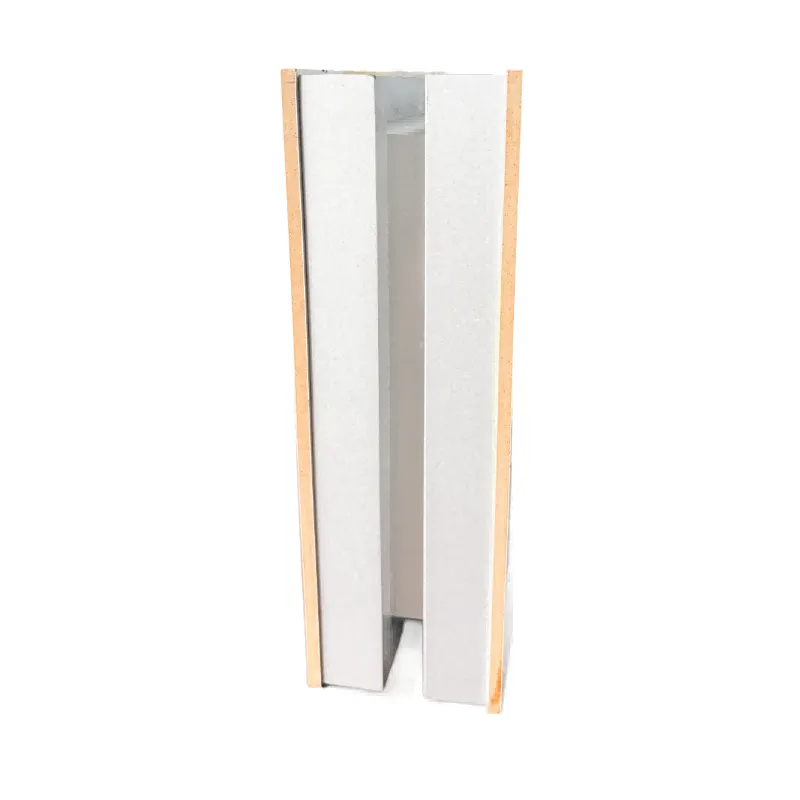
HPL wall system is composed of HPL panel, which is a high-tech green and environmentally-friendly decorative sheet. The surface is made of a special material and covered on the color layer...
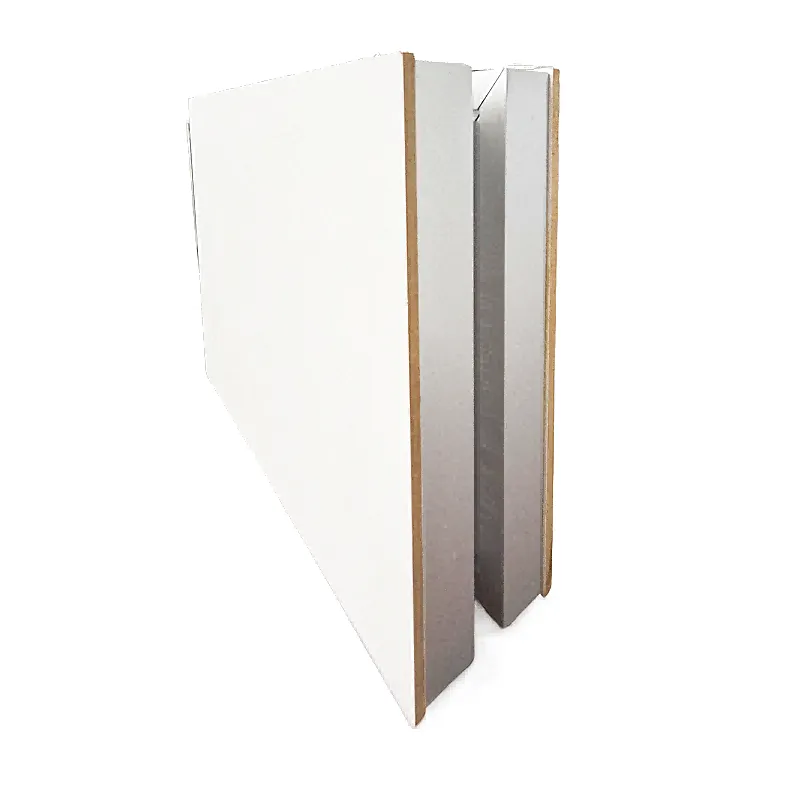
Precision-Engineered HPL Sandwich Panel for Mission-Critical Clean Environments
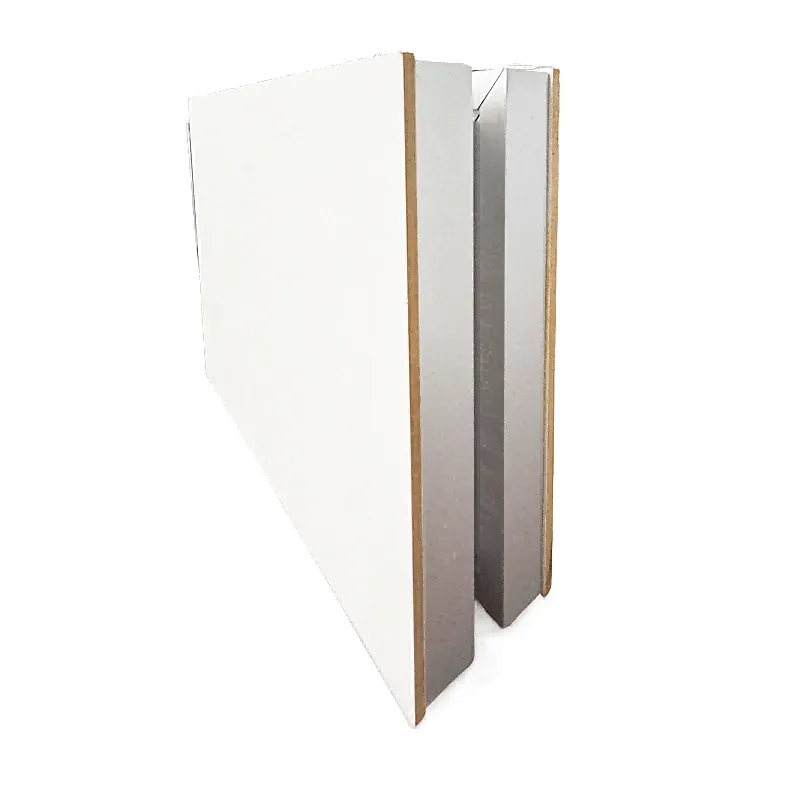
For engineering teams across semiconductor & electronics, biopharma, aerospace, precision optics, food & beverage, automotive, data centers, and green energy manufacturing — selecting the right clean room panel is never just about compliance. It’s about operational resilience, contamination control, lifecycle cost, and seamless integration with HVAC, automation, and modular infrastructure. Our HPL sandwich panel delivers all three: structural integrity, ISO Class 3–8 certification readiness, and rapid deployability.
Unlike standard metal-faced or gypsum-core partitions, this panel features a high-pressure laminate (HPL) exterior bonded to a rigid aluminum honeycomb or mineral core — offering superior flatness (<0.2 mm/m), zero outgassing, and Class A fire rating (ASTM E84). Its non-porous, chemical-resistant surface resists IPA wiping, hydrogen peroxide vapor (VHP), and routine CIP/SIP protocols — critical for clean room panels for solar film manufacturers and clean room panels for green energy manufacturers. As one of Asia’s most trusted clean room panels manufacturers, we engineer every batch to meet IEST-RP-CC003.4, ISO 14644-1, and USP <797>/<800> surface performance benchmarks.
Whether you’re specifying a new fab extension or retrofitting an existing facility, our HPL system serves as both wall and ceiling solution — eliminating transitional gaps that harbor particulates. It integrates seamlessly into any Clean Room Partition System, supporting flush-mounted lighting, FFUs, interlocked doors, and sensor-ready raceways. And because we’re a direct clean room panel supplier, not a distributor, lead times stay under 4 weeks — with full traceability from raw material lot to installation QA report.
Technical Specifications That Meet Real-World Engineering Demands
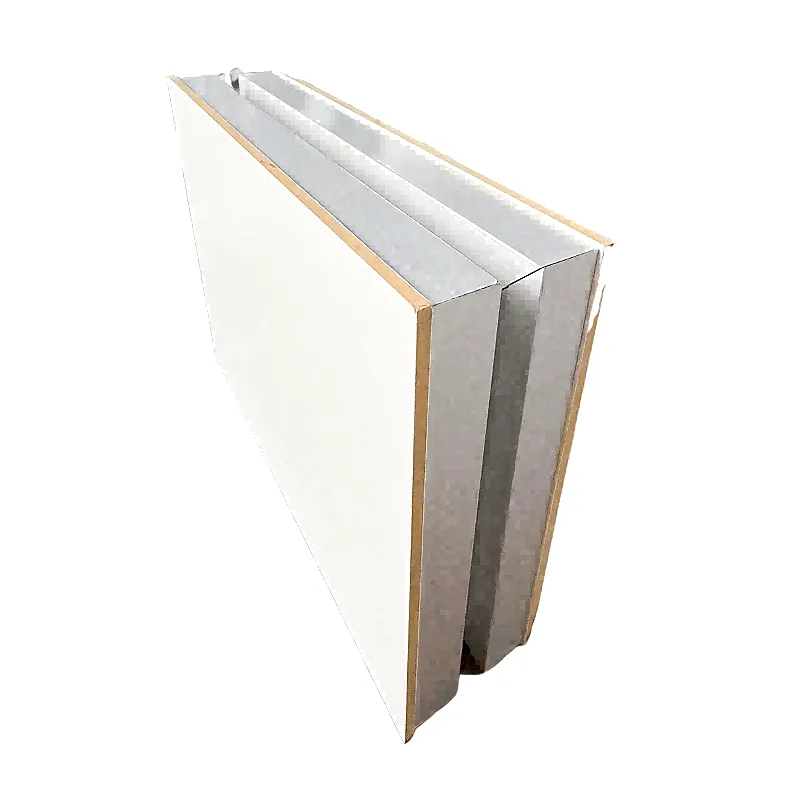
Our clean room panel specifications are built for performance — not brochures. Standard thicknesses range from 50 mm to 100 mm, with custom options up to 150 mm for acoustic or thermal isolation. Core options include:
- Aluminum honeycomb — ideal for high-strength, low-weight applications (e.g., cleanroom mezzanines or mobile ISO 5 enclosures); see full details on our clean room panel page.
- Mineral wool composite — optimized for fire resistance (A2-s1,d0 EN 13501-1) and sound attenuation — frequently specified by clean room panel suppliers serving data center hyperscalers.
- Fiberglass-reinforced polymer (FRP) — used in wet-process zones; compatible with clean room partitioning systems in biologics fill-finish suites.
Surface finish: 0.8–1.2 mm HPL (16+ industry-standard colors), anti-static option (10⁶–10⁹ Ω/sq), UV-stable, scratch-resistant (≥4H pencil hardness). All panels undergo 100% vacuum lamination and edge-sealed with medical-grade silicone or EPDM gasketing — ensuring zero delamination risk over 25+ years of service.
The clean room panel material selection directly impacts total cost of ownership. While initial clean room panel price varies by core type and finish (starting at $185/m² FOB Shanghai for 50 mm HPL-aluminum), ROI accelerates through reduced maintenance, lower HVAC load (U-value down to 0.28 W/m²K), and no need for secondary cladding. For budget-sensitive projects, we offer value-engineered variants without compromising ISO compliance — always backed by third-party test reports (SGS, TÜV, UL).
Field-Validated Applications Across High-Stakes Industries
This isn’t theoretical. Our HPL sandwich panel is live in over 142 facilities worldwide — each with unique environmental and regulatory demands:
Semiconductor & Electronics: Installed as a clean room panel wall system in front-end lithography bays (Class 10/ISO 4), where dimensional stability prevents misalignment of EUV tools. Panels integrate with seismic-rated support frames and accommodate embedded grounding strips for ESD safety.
Biopharma & Life Sciences: Used as clean room partition panels in aseptic filling suites. The smooth, jointless surface eliminates microbial traps — validated via ATP swab testing per PDA TR13. Also deployed as clean room partitions for isolator buffer zones in mRNA vaccine production.
Green Energy & Solar Film: A top choice for clean room panels for green energy manufacturers, especially those producing perovskite solar cells and transparent conductive oxide (TCO) films. Resists solvent vapors from spin-coating and evaporation processes — unlike PVC or phenolic alternatives. Frequently paired with our clean room panel supplier’s acoustic variants for noise-sensitive metrology labs.
Aerospace & Precision Optics: Deployed as clean room partition walls in optical assembly cleanrooms (ISO 5/Class 100), where thermal drift must stay below ±0.1°C/hour. The aluminum honeycomb core provides unmatched thermal inertia — verified in thermal imaging studies across 12-month monitoring cycles.
Automotive EV Battery & Data Centers: Specified for dry rooms (dew point ≤ –40°C) and server containment zones requiring RF shielding and fire containment. Our Clean Room Partition System supports modular reconfiguration — critical when battery cell formats evolve or cloud infrastructure scales.
As a vertically integrated clean room panels manufacturers, we don’t just ship panels — we co-engineer your clean room partition system. From 3D BIM modeling and seismic anchoring design to on-site commissioning and IQ/OQ documentation, our team speaks your language: not “cleanroom jargon,” but yield, uptime, validation scope, and CapEx amortization. Whether you need clean room partition layouts for a 200 m² R&D lab or a 12,000 m² GMP facility — contact us for a free technical consultation and project-specific clean room panel price breakdown.
Get a project-specific quote in 24 hours
Send your cleanroom classification, floor area and finish requirements. Our Malaysia-based engineering team replies with a stamped datasheet, fire certificate and pricing — 7×24 technical support by email, phone or WhatsApp.
Chat on WhatsApp- 1 What is the proper procedure for using an air shower?
- 2 What Are the Core Materials and Specifications for Clean Room Panels?
- 3 How to Identify Reliable Manufacturers and Suppliers for Wall Systems?
- 4 What Distinguishes Partition Walls from Standard Partitioning Systems?
- 5 Specialized Panels for Green Energy and Solar Film Production?
- 6 Understanding Pricing Factors and Partition System Configurations?
- 7 How to choose the right door for a controlled environment?
- 8 Which wall panels offer the best protection against damage?
- 9 How does air purification impact clean room efficiency?
What is the proper procedure for using an air shower?
Enter, close outer door completely, stand in center, slowly rotate 360 degrees with arms raised for thorough coverage, wait for preset time (15-30 seconds), then open inner door and enter clean area
What Are the Core Materials and Specifications for Clean Room Panels?
Selecting the correct clean room panel material is critical for maintaining ISO standards across industries. Options include rock wool and aluminum. Detailed clean room panel specifications cover thickness, fire resistance, and surface smoothness. High-quality Clean room panels ensure structural integrity while meeting stringent environmental controls required for precision manufacturing processes.
How to Identify Reliable Manufacturers and Suppliers for Wall Systems?
Evaluating clean room panel manufacturers requires assessing certification records and capacity. A reputable clean room panel supplier provides support for integrating the clean room panel wall system into facilities. Teams should verify compliance with international standards before procurement. Proper selection ensures durability and minimizes maintenance costs across aerospace and automotive sectors.
What Distinguishes Partition Walls from Standard Partitioning Systems?
A clean room partition serves as a standalone divider, whereas a clean room partition wall offers structural support. Advanced clean room partitioning systems allow modular reconfiguration without compromising cleanliness. Solutions are vital for data centers and labs requiring flexible layouts. Installation must adhere to strict sealing protocols to maintain pressure differentials effectively.
Specialized Panels for Green Energy and Solar Film Production?
Facilities focusing on sustainability require clean room panels for green energy manufacturers designed with anti-static properties. Similarly, clean room panels for solar film manufacturers demand ultra-low outgassing materials. Using specialized clean room partition panels ensures product yield remains high. These support rigorous cleanliness classes needed for photovoltaic and battery production lines.
Understanding Pricing Factors and Partition System Configurations?
The clean room panel price varies based on material density, fire rating, and dimensions. A comprehensive Clean Room Partition System includes doors and profiles affecting budget. Comparing different clean room partition systems helps optimize costs without sacrificing performance. Food and beverage sectors prioritize washability, influencing final selection and expenditure planning for construction projects.
How to choose the right door for a controlled environment?
Selecting an aluminum clean room door depends on traffic flow and pressure requirements. Proper Aluminum frame door Design ensures airtight sealing to maintain pressure differentials. For high-traffic areas, automatic clean room doors reduce contamination risks by minimizing physical contact during entry and exit processes in critical zones.
Which wall panels offer the best protection against damage?
Aluminum Clean Room Wall Panels are engineered for impact resistance and easy cleaning. The Aluminium honeycomb gypsum panel combines fire resistance with structural stability. An Anti-fold special panel further enhances durability in corners, ensuring long-term performance without compromising the sterile conditions required for pharmaceutical or electronic manufacturing.
How does air purification impact clean room efficiency?
Effective air purification is critical for maintaining ISO standards. High-quality air filter units remove particulates from the circulation system. Large scale air purification projects require detailed planning regarding airflow patterns. Integration with HVAC systems ensures consistent environmental control. Monitoring particle counts validates effectiveness. Upgrading filtration media enhances safety and product quality within sensitive zones.
