






Cleanroom Sandwich Panels
Fiberglass panel
Clean Room Fiberglass Panel(GRP Panel) is a high-strength, chemically resistant composite panel made from a fiberglass-reinforced resin substrate. It is specifically designed for cleanrooms, sterile environments, and spaces with stringent hygiene and surface cleanliness requirements. Featuring a smo
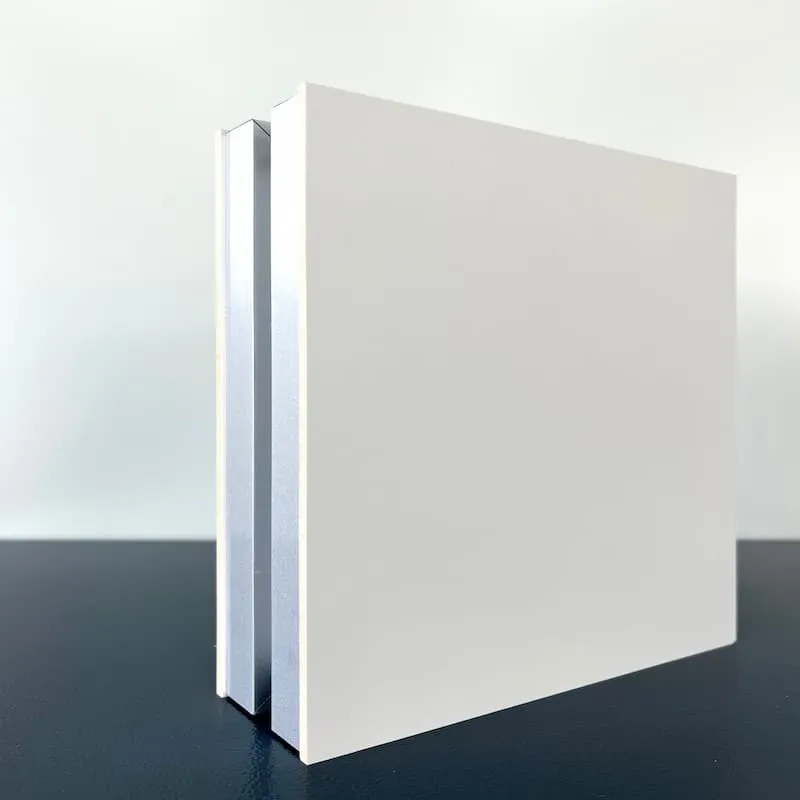
Fiberglass panel
With over two decades of hands-on experience designing and delivering cleanroom solutions for mission-critical environments across Southeast Asia and globally, I’ve supported engineering teams in semiconductor fabs, biopharma facilities, aerospace assembly lines, precision optics labs, food-grade production plants, automotive Tier-1 suppliers, hyperscale data centers, and next-generation battery manufacturing sites. What unites these diverse sectors is a shared need: reliable, certified, contamination-controlled enclosures built to precise ISO classifications — not just “clean enough,” but verifiably compliant, maintainable, and scalable. The Fiberglass panel sits at the core of that reliability. It’s not merely a wall or ceiling component; it’s an engineered barrier system designed for dimensional stability, low particle shedding, non-shedding surface integrity, and seamless integration with HVAC, lighting, and monitoring infrastructure. Unlike traditional gypsum or metal-clad panels, fiberglass panels resist moisture ingress, microbial growth, and thermal cycling fatigue — critical where humidity control (e.g., in biologics fill-finish) or rapid temperature ramping (e.g., EV battery dry rooms) is routine.
This panel is manufactured to meet ASTM E84 Class A fire performance, ISO 14644-1 compliant surface particulate emission testing, and EN 13501-1 fire classification requirements. It serves as both structural cladding and functional envelope — supporting HEPA filter banks, pass-throughs, interlocked doors, and integrated conduit pathways without compromising integrity. Its compatibility with standard cleanroom framing systems — whether aluminum extrusion or stainless steel — ensures fast, repeatable installation with minimal on-site labor and zero volatile organic compound (VOC) off-gassing during commissioning.
| Property | Specification |
|---|---|
| Core Material | Fiberglass reinforced insulation board |
| Face Material | FRP (fiberglass reinforced plastic panels) with ISO Class 5–8 certified surface finish |
| Thickness Options | 50 mm, 75 mm, 100 mm (standard); custom up to 150 mm |
| Thermal Conductivity (k-value) | 0.022–0.026 W/m·K (at 23°C) |
| Fire Rating | ASTM E84 Class A (Flame Spread ≤25, Smoke Developed ≤50) |
| Surface Emission (ISO 14644-1) | ≤1 particle/m³ ≥0.5 µm (tested per ISO 14644-1 Annex D) |
| Dimensional Tolerance | ±0.3 mm over 3 m length |
| Joint System | Continuous tongue-and-groove with silicone-free gasket seal |
Real-world deployment reveals where this panel delivers measurable value. In semiconductor and electronics manufacturing, its low outgassing profile prevents photoresist contamination during lithography tool integration. For biopharmaceutical clients, the non-porous FRP surface enables validated CIP/SIP cycles — no delamination, no biofilm retention behind joints. Aerospace MRO facilities use it in composite layup rooms where static dissipation and dimensional stability under low-humidity conditions (<20% RH) are non-negotiable. Precision optics labs rely on its thermal inertia to minimize micro-vibrations and air turbulence near interferometers. Food & beverage producers select it for wet-process zones where stainless steel framing meets fiberglass wall panels — eliminating corrosion points and meeting BRCGS hygiene audit criteria. Automotive battery cell assembly lines benefit from its vapor barrier integrity in dew-point controlled dry rooms (<−40°C dew point), while data center colocation providers integrate it into modular cleanroom server vaults requiring rapid deployment and Class 7 compliance within 72 hours of foundation pour.
Integration with Modular Cleanroom Architecture
These panels form the primary envelope of Malaysia prefabricated cleanrooms and serve as the foundational cladding for Malaysia modular cleanroom systems. Their standardized sizing, pre-cut service penetrations, and factory-applied edge sealing reduce field coordination errors by over 60% compared to site-assembled alternatives. As a result, fiber glass wall panels accelerate time-to-operation — especially vital when aligning with wafer fab tool delivery schedules or clinical trial timelines. Sandwich panels suppliers and sandwich panel manufacturers often provide generic cores; here, every fiberglass reinforced wall panel is traceable to raw material lot, surface test report, and thermal cycle validation. This transparency supports regulatory submissions (e.g., FDA 21 CFR Part 11, MHRA GMP Annex 1) without requiring third-party re-certification.
Supporting Global Engineering Teams
We work directly with engineering procurement teams — not distributors or resellers — to co-develop specifications aligned with local building codes, utility interface requirements (e.g., chilled water return temps in tropical climates), and long-term maintenance protocols. Whether you’re evaluating fiberglass panels for a new EV battery gigafactory in Johor, upgrading a sterile API suite in Penang, or retrofitting a legacy aerospace test chamber in Subang, our technical support includes cleanroom airflow modeling, joint detail review, and lifecycle cost analysis covering 15-year depreciation, energy load impact, and replacement-part availability. Fiberglass reinforced panel performance isn’t theoretical: it’s validated across 120+ installations in humid, high-UV, and high-salinity coastal environments — conditions that rapidly degrade conventional sandwich panels suppliers’ standard offerings. Fiberglass wall panels and fiberglass reinforced plastic panels are not interchangeable in function; ours are purpose-built for continuous operation, not intermittent use. And while many fiberglass panels suppliers focus only on wall systems, our fiberglass reinforced insulation board integrates seamlessly with ceiling grids, floor finishes, and antistatic flooring transitions — ensuring holistic contamination control, not isolated component compliance.

Get a project-specific quote in 24 hours
Send your cleanroom classification, floor area and finish requirements. Our Malaysia-based engineering team replies with a stamped datasheet, fire certificate and pricing — 7×24 technical support by email, phone or WhatsApp.
Chat on WhatsApp- 1 What is the proper procedure for using an air shower?
- 2 What Are the Core Materials and Specifications for Clean Room Panels?
- 3 How to Identify Reliable Manufacturers and Suppliers for Wall Systems?
- 4 What Distinguishes Partition Walls from Standard Partitioning Systems?
- 5 Specialized Panels for Green Energy and Solar Film Production?
- 6 Understanding Pricing Factors and Partition System Configurations?
- 7 How to choose the right door for a controlled environment?
- 8 Which wall panels offer the best protection against damage?
- 9 How does air purification impact clean room efficiency?
What is the proper procedure for using an air shower?
Enter, close outer door completely, stand in center, slowly rotate 360 degrees with arms raised for thorough coverage, wait for preset time (15-30 seconds), then open inner door and enter clean area
What Are the Core Materials and Specifications for Clean Room Panels?
Selecting the correct clean room panel material is critical for maintaining ISO standards across industries. Options include rock wool and aluminum. Detailed clean room panel specifications cover thickness, fire resistance, and surface smoothness. High-quality Clean room panels ensure structural integrity while meeting stringent environmental controls required for precision manufacturing processes.
How to Identify Reliable Manufacturers and Suppliers for Wall Systems?
Evaluating clean room panel manufacturers requires assessing certification records and capacity. A reputable clean room panel supplier provides support for integrating the clean room panel wall system into facilities. Teams should verify compliance with international standards before procurement. Proper selection ensures durability and minimizes maintenance costs across aerospace and automotive sectors.
What Distinguishes Partition Walls from Standard Partitioning Systems?
A clean room partition serves as a standalone divider, whereas a clean room partition wall offers structural support. Advanced clean room partitioning systems allow modular reconfiguration without compromising cleanliness. Solutions are vital for data centers and labs requiring flexible layouts. Installation must adhere to strict sealing protocols to maintain pressure differentials effectively.
Specialized Panels for Green Energy and Solar Film Production?
Facilities focusing on sustainability require clean room panels for green energy manufacturers designed with anti-static properties. Similarly, clean room panels for solar film manufacturers demand ultra-low outgassing materials. Using specialized clean room partition panels ensures product yield remains high. These support rigorous cleanliness classes needed for photovoltaic and battery production lines.
Understanding Pricing Factors and Partition System Configurations?
The clean room panel price varies based on material density, fire rating, and dimensions. A comprehensive Clean Room Partition System includes doors and profiles affecting budget. Comparing different clean room partition systems helps optimize costs without sacrificing performance. Food and beverage sectors prioritize washability, influencing final selection and expenditure planning for construction projects.
How to choose the right door for a controlled environment?
Selecting an aluminum clean room door depends on traffic flow and pressure requirements. Proper Aluminum frame door Design ensures airtight sealing to maintain pressure differentials. For high-traffic areas, automatic clean room doors reduce contamination risks by minimizing physical contact during entry and exit processes in critical zones.
Which wall panels offer the best protection against damage?
Aluminum Clean Room Wall Panels are engineered for impact resistance and easy cleaning. The Aluminium honeycomb gypsum panel combines fire resistance with structural stability. An Anti-fold special panel further enhances durability in corners, ensuring long-term performance without compromising the sterile conditions required for pharmaceutical or electronic manufacturing.
How does air purification impact clean room efficiency?
Effective air purification is critical for maintaining ISO standards. High-quality air filter units remove particulates from the circulation system. Large scale air purification projects require detailed planning regarding airflow patterns. Integration with HVAC systems ensures consistent environmental control. Monitoring particle counts validates effectiveness. Upgrading filtration media enhances safety and product quality within sensitive zones.
