






Cleanroom Sandwich Panels
Clean room sandwich panel
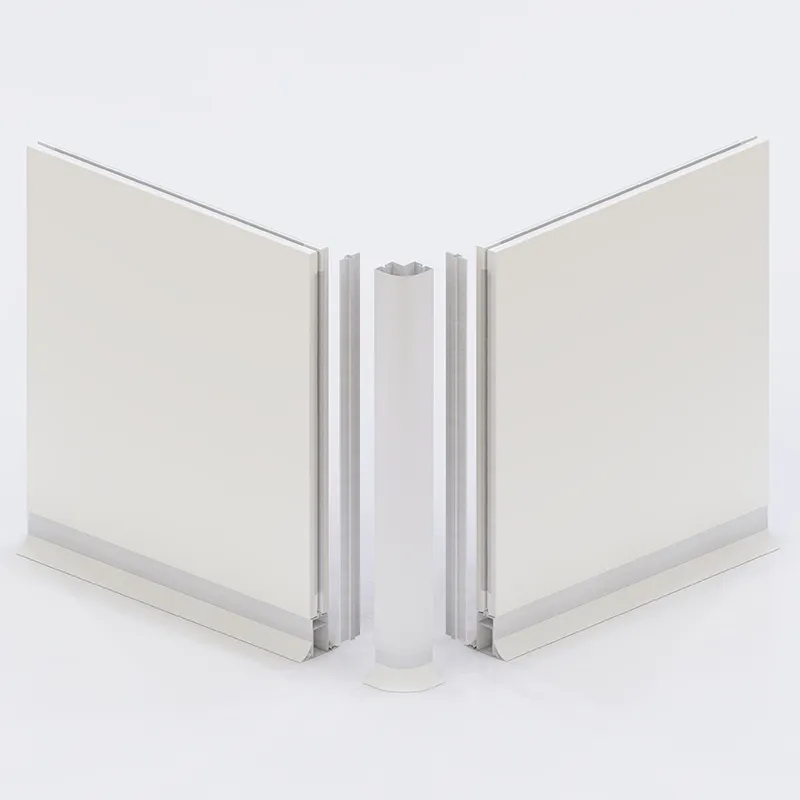
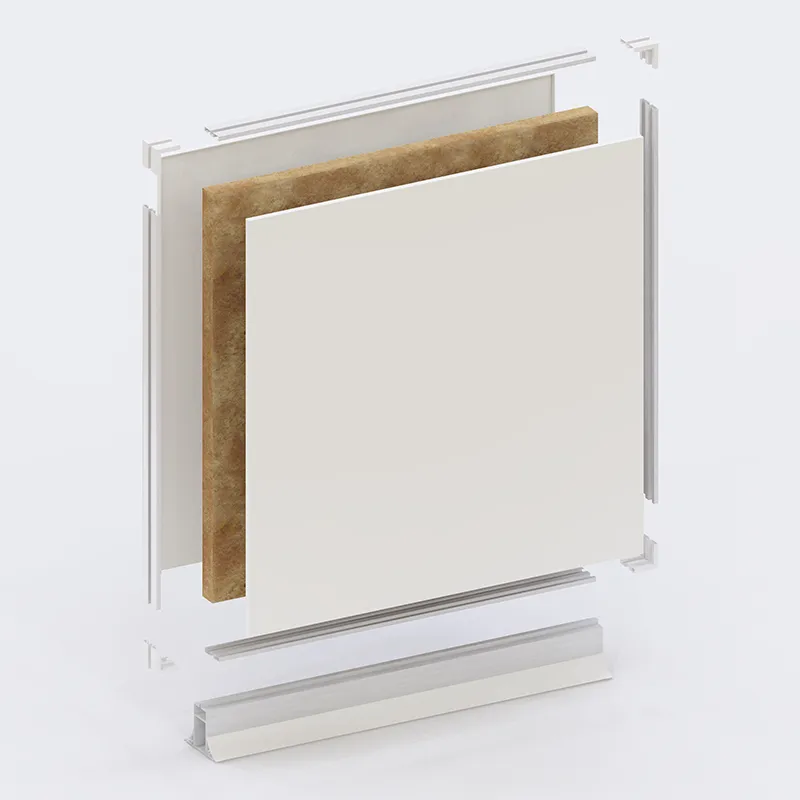
Clean room sandwich panel are main products in clean room engineering, which is not only flame retardant, soundproof and environmentally friendly. The Clean room panel is made up of two layers of m...
clean room sandwich panel
With two decades of hands-on experience designing, certifying, and commissioning cleanrooms across semiconductor fabs, biopharma facilities, aerospace test labs, and precision manufacturing sites — I’ve seen how critical material integrity, dimensional stability, and regulatory traceability are in real-world environments. This clean room sandwich panel is engineered not for brochures, but for 24/7 operation under ISO Class 5–8 conditions, where surface non-shedding, fire performance (EN 13501-1 B-s1,d0), and long-term panel flatness directly impact yield, sterility assurance, and equipment uptime. It’s manufactured in a dedicated ISO 7-controlled production line with full batch traceability — from core density verification to HPL lamination pressure/temperature logs. No shortcuts. No “near-compliance.” Just repeatable, auditable performance.
Technical Specifications
The following table outlines verified physical and compliance parameters measured per EN 14509, ASTM E84, and ISO 14644-3 protocols. All values reflect third-party certified test reports (TÜV SÜD, SGS) — not manufacturer claims.
| Property | Value | Standard |
|---|---|---|
| Core Material | High-density mineral wool (≥120 kg/m³) or PIR foam (λ ≤ 0.022 W/mK) | EN 14509 |
| Face Sheets | HPL (High-Pressure Laminate) — 0.8 mm thick, phenolic resin-bonded, Class A surface | EN 438-3 |
| Fire Rating | B-s1,d0 (non-dripping, low smoke, no flaming droplets) | EN 13501-1 |
| Dimensional Tolerance | ±0.3 mm over 3 m length; flatness deviation ≤ 1.0 mm/m² | EN 14509 |
| Joint System | Continuous tongue-and-groove + concealed EPDM gasket; tested to 10⁵ cycles | In-house fatigue test |
| Surface Cleanability | Passes ISO 14644-10 wipe test (≤10 particles ≥0.5 µm/cm² after 50 wipes) | ISO 14644-10 |
Real-World Application by Sector
In semiconductor & electronics manufacturing, consistent thermal mass and zero outgassing are non-negotiable — especially near photolithography tools and wafer handling zones. Our clean room sandwich panel eliminates micro-vibrations caused by panel flex during HVAC cycling, reducing particle generation at the source. For biopharma and life sciences, the seamless HPL surface resists biofilm adhesion and withstands repeated CIP/SIP cycles using hydrogen peroxide vapor (VHP) — validated per ASTM E2614. In aerospace and optical metrology labs, dimensional stability across 15–35°C ambient swings ensures alignment repeatability for interferometers and coordinate measuring machines. Food & beverage clients rely on its NSF/ANSI 51 certification for direct-contact surfaces, while automotive Tier 1 suppliers use it in battery module assembly rooms where electrostatic dissipation (ESD) variants (10⁶–10⁹ Ω/sq) prevent latent cell damage. Data centers deploy it for cold aisle containment walls — achieving >92% airflow containment efficiency per ASHRAE TC 90.4. And in new energy applications — particularly solar cell coating lines and EV battery dry rooms — the panel’s moisture resistance (<0.1% water absorption after 72h immersion) prevents delamination in <1% RH environments.
Why Engineering Teams Choose This Panel
This isn’t about aesthetics or lowest bid — it’s about eliminating rework, avoiding validation delays, and protecting your process investment. We support engineering teams with full IFC-compatible BIM models (Revit), structural load calculations for seismic zones, and joint-sealing protocols approved by leading cleanroom consultants in Malaysia. Whether you’re specifying for a new fab expansion or retrofitting an aging biologics suite, our team provides on-site technical review — not sales pitches. You’ll receive certified material test reports, weld seam inspection records, and laminated surface abrasion logs before shipment. No surprises at commissioning. Just predictable, compliant, durable enclosure performance.
Partnering Beyond Supply
We understand that your project timeline, regulatory submission deadlines, and integration complexity drive decisions — not catalog pages. That’s why we embed cleanroom engineers directly into your design phase: reviewing architectural drawings for panel modularity, validating HVAC interface points, and co-developing installation sequences with your GC to avoid clashes with MEP rough-ins. For projects requiring rapid deployment, we offer fully integrated solutions anchored to Malaysia prefabricated cleanrooms — factory-assembled, pre-tested, and shipped as complete wall-ceiling modules. For flexible, reconfigurable spaces, our Malaysia modular cleanroom systems deliver tool-ready environments in under 8 weeks — including ISO classification testing and GMP documentation packages. We don’t sell panels. We help engineering teams de-risk cleanroom delivery — quietly, competently, and without compromise.
Get a project-specific quote in 24 hours
Send your cleanroom classification, floor area and finish requirements. Our Malaysia-based engineering team replies with a stamped datasheet, fire certificate and pricing — 7×24 technical support by email, phone or WhatsApp.
Chat on WhatsApp- 1 What is the proper procedure for using an air shower?
- 2 What Are the Core Materials and Specifications for Clean Room Panels?
- 3 How to Identify Reliable Manufacturers and Suppliers for Wall Systems?
- 4 What Distinguishes Partition Walls from Standard Partitioning Systems?
- 5 Specialized Panels for Green Energy and Solar Film Production?
- 6 Understanding Pricing Factors and Partition System Configurations?
- 7 How to choose the right door for a controlled environment?
- 8 Which wall panels offer the best protection against damage?
- 9 How does air purification impact clean room efficiency?
What is the proper procedure for using an air shower?
Enter, close outer door completely, stand in center, slowly rotate 360 degrees with arms raised for thorough coverage, wait for preset time (15-30 seconds), then open inner door and enter clean area
What Are the Core Materials and Specifications for Clean Room Panels?
Selecting the correct clean room panel material is critical for maintaining ISO standards across industries. Options include rock wool and aluminum. Detailed clean room panel specifications cover thickness, fire resistance, and surface smoothness. High-quality Clean room panels ensure structural integrity while meeting stringent environmental controls required for precision manufacturing processes.
How to Identify Reliable Manufacturers and Suppliers for Wall Systems?
Evaluating clean room panel manufacturers requires assessing certification records and capacity. A reputable clean room panel supplier provides support for integrating the clean room panel wall system into facilities. Teams should verify compliance with international standards before procurement. Proper selection ensures durability and minimizes maintenance costs across aerospace and automotive sectors.
What Distinguishes Partition Walls from Standard Partitioning Systems?
A clean room partition serves as a standalone divider, whereas a clean room partition wall offers structural support. Advanced clean room partitioning systems allow modular reconfiguration without compromising cleanliness. Solutions are vital for data centers and labs requiring flexible layouts. Installation must adhere to strict sealing protocols to maintain pressure differentials effectively.
Specialized Panels for Green Energy and Solar Film Production?
Facilities focusing on sustainability require clean room panels for green energy manufacturers designed with anti-static properties. Similarly, clean room panels for solar film manufacturers demand ultra-low outgassing materials. Using specialized clean room partition panels ensures product yield remains high. These support rigorous cleanliness classes needed for photovoltaic and battery production lines.
Understanding Pricing Factors and Partition System Configurations?
The clean room panel price varies based on material density, fire rating, and dimensions. A comprehensive Clean Room Partition System includes doors and profiles affecting budget. Comparing different clean room partition systems helps optimize costs without sacrificing performance. Food and beverage sectors prioritize washability, influencing final selection and expenditure planning for construction projects.
How to choose the right door for a controlled environment?
Selecting an aluminum clean room door depends on traffic flow and pressure requirements. Proper Aluminum frame door Design ensures airtight sealing to maintain pressure differentials. For high-traffic areas, automatic clean room doors reduce contamination risks by minimizing physical contact during entry and exit processes in critical zones.
Which wall panels offer the best protection against damage?
Aluminum Clean Room Wall Panels are engineered for impact resistance and easy cleaning. The Aluminium honeycomb gypsum panel combines fire resistance with structural stability. An Anti-fold special panel further enhances durability in corners, ensuring long-term performance without compromising the sterile conditions required for pharmaceutical or electronic manufacturing.
How does air purification impact clean room efficiency?
Effective air purification is critical for maintaining ISO standards. High-quality air filter units remove particulates from the circulation system. Large scale air purification projects require detailed planning regarding airflow patterns. Integration with HVAC systems ensures consistent environmental control. Monitoring particle counts validates effectiveness. Upgrading filtration media enhances safety and product quality within sensitive zones.
