






Cleanroom Sandwich Panels
Clean room Injection panel
The cleanroom injection panel is a critical component for precise injection control within a cleanroom environment.
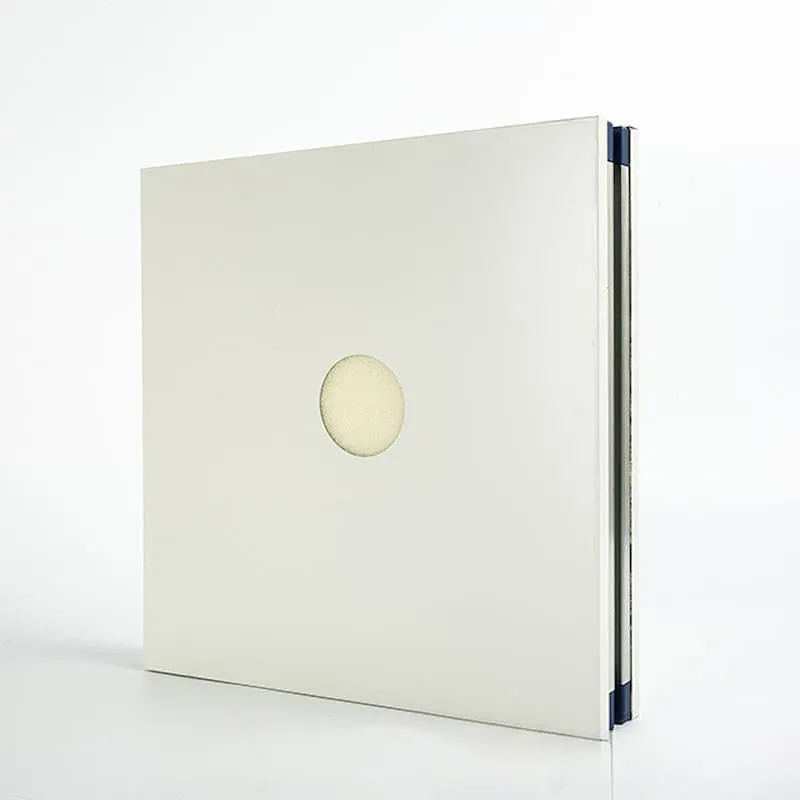
clean room injection panel: Precision-engineered for mission-critical environments
With over two decades of hands-on experience delivering cleanroom solutions across global semiconductor fabs, biologics facilities, and high-precision manufacturing sites, I’ve seen how a single component—like the clean room injection panel—can define system integrity, long-term performance, and compliance confidence. This isn’t just another wall or ceiling element. It’s a fully integrated, factory-calibrated structural and sealing solution designed to eliminate on-site gaps, thermal bridging, and particle entrapment points that compromise ISO Class 3–8 environments.
Our panels are engineered as part of a broader ecosystem—compatible with Malaysia prefabricated cleanrooms, scalable within Malaysia modular cleanroom systems, and optimized for rapid integration with Modular cleanroom ceiling panels. Unlike standard sandwich panels, our clean room injection sandwich panel uses a continuous polyurethane foam core injected under controlled pressure into a pre-assembled aluminum frame—ensuring zero voids, consistent density (42±2 kg/m³), and dimensional stability across temperature swings from 18°C to 30°C. That’s why it’s specified in clean room in semiconductor manufacturing where static control, outgassing limits (<5 µg/g total volatile organics), and non-shedding surfaces are non-negotiable.
We’re not just a clean room injection manufacturer; we’re partners in validation-readiness. Every panel batch includes material traceability, surface resistivity test reports (10⁴–10⁶ Ω/sq), and fire performance certification (ASTM E84 Class A). Installation is simplified through interlocking tongue-and-groove edges and embedded T-slot channels—enabling seamless integration with clean room interlock door frames, utility raceways, and lighting supports. For engineering teams managing multi-vendor deployments, this means fewer field adjustments, tighter schedule control, and lower total cost of ownership over 15+ years of service life.
Technical Specifications & Compatibility Matrix
| Parameter | Standard Specification | Optional Upgrades |
|---|---|---|
| Panel Thickness | 50 mm, 75 mm, 100 mm | 120 mm (for ultra-low U-value applications) |
| Core Material | High-density rigid polyurethane (injected, no seams) | Phenolic foam (for Class A fire-rated labs) |
| Facing Material | Anodized aluminum (1.0 mm front/back) or stainless steel 304 (0.8 mm) | Electropolished SS316 (biopharma-grade) |
| Thermal Conductivity (λ) | 0.022 W/m·K (50 mm panel) | ≤0.019 W/m·K (with vacuum insulation upgrade) |
| Surface Finish | Smooth, non-porous, electrostatically dissipative coating (ESD-safe) | Antimicrobial silver-ion infused layer (EN 13697 compliant) |
| Particle Shedding | ≤10 particles ≥0.5 µm per cm²/minute (ISO 14644-1 verified) | Validated to ≤3 particles/cm²/min (for clean room laminar flow zones) |
| Compatible Interfaces | Integrates with clean room interlocking doors, FFUs, VAV boxes, and clean room laboratory furniture mounting rails | Pre-drilled for clean room interlock system sensor alignment (proximity + optical dual-mode) |
Real-World Integration Across High-Stakes Sectors
In clean room laboratory design for biologics process development, these panels form the backbone of segregated fill-finish suites—where separation between Grade C and Grade A zones demands absolute gasket-free continuity. Their low outgassing profile meets USP <87>/<88> requirements, and the smooth finish resists biofilm adhesion during CIP cycles. In clean room industry projects for automotive ADAS sensor calibration labs, the panels’ dimensional stability prevents micro-cracking at expansion joints—critical when ambient humidity must stay below 30% RH year-round.
For clean room installation in aerospace composite curing rooms, thermal performance matters more than ever: the 75 mm variant maintains ±0.3°C uniformity across 12 m spans—reducing HVAC load by up to 18% versus traditional stud-and-drywall builds. In data center colocation modules targeting Tier IV uptime, the panels integrate directly with clean room interlocked door controllers to enforce access sequencing—preventing simultaneous door openings that disrupt pressure cascades. As one of the few clean room interlock door suppliers offering full mechanical-electrical co-engineering, we ensure panel cutouts align precisely with actuator footprints and sensor fields.
Food & beverage clients use the same clean room injection panel in ready-to-eat (RTE) packaging lines—where hygiene zoning (e.g., raw vs. cooked areas) requires validated physical barriers. The stainless steel-faced option complies with FDA 21 CFR Part 110 and passes repeated steam cleaning at 121°C. In renewable energy battery cell assembly, panels support clean room laminar flow hoods rated for ISO 5 operation while accommodating embedded ionization bars and static monitoring nodes—all without compromising structural rigidity.
Whether you're specifying for a new clean room laboratory in Penang’s biomedical corridor or upgrading an existing clean room in semiconductor manufacturing facility in Kulim, our panels deliver repeatable quality—not promises. We don’t sell “off-the-shelf” solutions. We deliver documented, tested, and field-proven components aligned with your validation plan, timeline, and operational risk profile. If your next project demands certainty—not compromises—you’re speaking to the right clean room injection manufacturer.
Get a project-specific quote in 24 hours
Send your cleanroom classification, floor area and finish requirements. Our Malaysia-based engineering team replies with a stamped datasheet, fire certificate and pricing — 7×24 technical support by email, phone or WhatsApp.
Chat on WhatsApp- 1 What is the proper procedure for using an air shower?
- 2 What Are the Core Materials and Specifications for Clean Room Panels?
- 3 How to Identify Reliable Manufacturers and Suppliers for Wall Systems?
- 4 What Distinguishes Partition Walls from Standard Partitioning Systems?
- 5 Specialized Panels for Green Energy and Solar Film Production?
- 6 Understanding Pricing Factors and Partition System Configurations?
- 7 How to choose the right door for a controlled environment?
- 8 Which wall panels offer the best protection against damage?
- 9 How does air purification impact clean room efficiency?
What is the proper procedure for using an air shower?
Enter, close outer door completely, stand in center, slowly rotate 360 degrees with arms raised for thorough coverage, wait for preset time (15-30 seconds), then open inner door and enter clean area
What Are the Core Materials and Specifications for Clean Room Panels?
Selecting the correct clean room panel material is critical for maintaining ISO standards across industries. Options include rock wool and aluminum. Detailed clean room panel specifications cover thickness, fire resistance, and surface smoothness. High-quality Clean room panels ensure structural integrity while meeting stringent environmental controls required for precision manufacturing processes.
How to Identify Reliable Manufacturers and Suppliers for Wall Systems?
Evaluating clean room panel manufacturers requires assessing certification records and capacity. A reputable clean room panel supplier provides support for integrating the clean room panel wall system into facilities. Teams should verify compliance with international standards before procurement. Proper selection ensures durability and minimizes maintenance costs across aerospace and automotive sectors.
What Distinguishes Partition Walls from Standard Partitioning Systems?
A clean room partition serves as a standalone divider, whereas a clean room partition wall offers structural support. Advanced clean room partitioning systems allow modular reconfiguration without compromising cleanliness. Solutions are vital for data centers and labs requiring flexible layouts. Installation must adhere to strict sealing protocols to maintain pressure differentials effectively.
Specialized Panels for Green Energy and Solar Film Production?
Facilities focusing on sustainability require clean room panels for green energy manufacturers designed with anti-static properties. Similarly, clean room panels for solar film manufacturers demand ultra-low outgassing materials. Using specialized clean room partition panels ensures product yield remains high. These support rigorous cleanliness classes needed for photovoltaic and battery production lines.
Understanding Pricing Factors and Partition System Configurations?
The clean room panel price varies based on material density, fire rating, and dimensions. A comprehensive Clean Room Partition System includes doors and profiles affecting budget. Comparing different clean room partition systems helps optimize costs without sacrificing performance. Food and beverage sectors prioritize washability, influencing final selection and expenditure planning for construction projects.
How to choose the right door for a controlled environment?
Selecting an aluminum clean room door depends on traffic flow and pressure requirements. Proper Aluminum frame door Design ensures airtight sealing to maintain pressure differentials. For high-traffic areas, automatic clean room doors reduce contamination risks by minimizing physical contact during entry and exit processes in critical zones.
Which wall panels offer the best protection against damage?
Aluminum Clean Room Wall Panels are engineered for impact resistance and easy cleaning. The Aluminium honeycomb gypsum panel combines fire resistance with structural stability. An Anti-fold special panel further enhances durability in corners, ensuring long-term performance without compromising the sterile conditions required for pharmaceutical or electronic manufacturing.
How does air purification impact clean room efficiency?
Effective air purification is critical for maintaining ISO standards. High-quality air filter units remove particulates from the circulation system. Large scale air purification projects require detailed planning regarding airflow patterns. Integration with HVAC systems ensures consistent environmental control. Monitoring particle counts validates effectiveness. Upgrading filtration media enhances safety and product quality within sensitive zones.
