






Cleanroom Other Products
Cleanroom Aluminium profile
The aluminum profile is an aluminum material obtained by hot melt and extrusion to obtain different cross-sectional shapes. The production process of aluminum profiles mainly includes three processes of casting, extrusion and coloring.
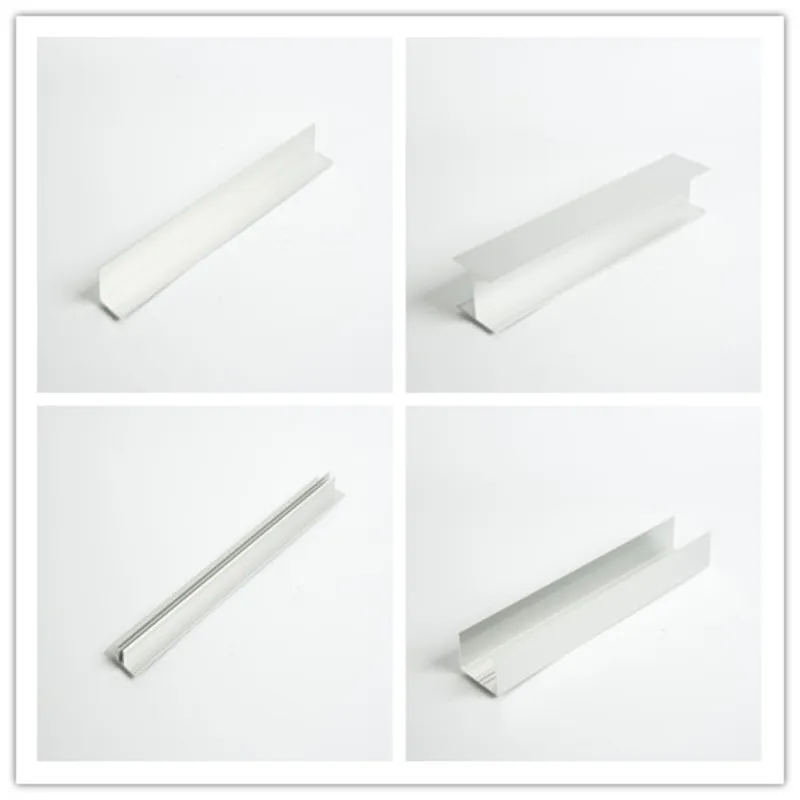
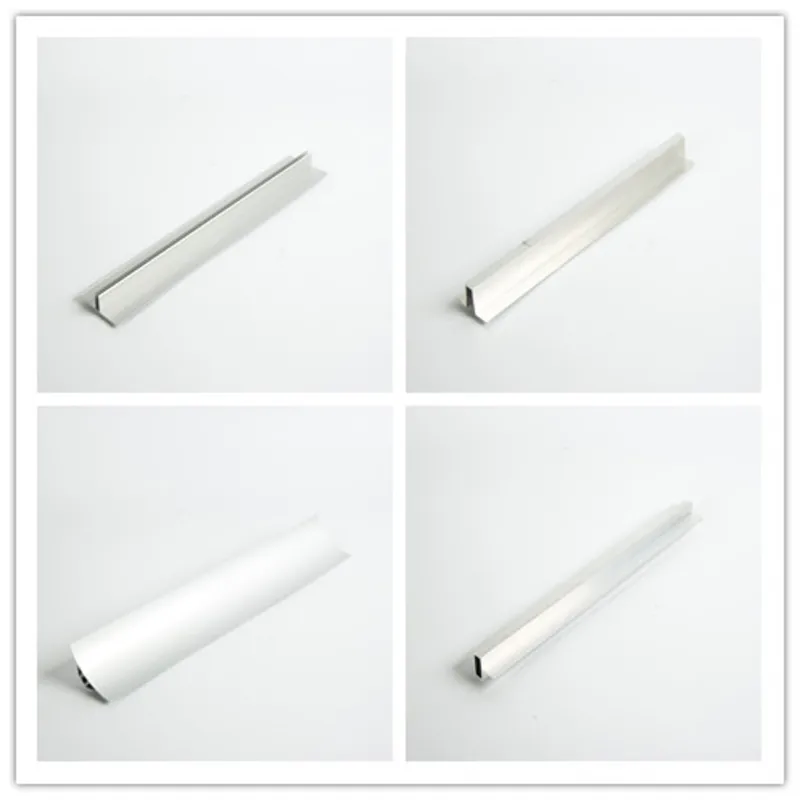
Aluminium profiles serve as the structural backbone of modern cleanroom systems—enabling rapid assembly, dimensional stability, and long-term compliance with ISO 14644-1 Class 3 to Class 8 environments. Designed for precision engineering and repeatable installation, these extruded profiles integrate seamlessly with Malaysia prefabricated cleanrooms and modular enclosures across high-regulation industries. Unlike generic architectural aluminium, cleanroom-grade profiles feature anodised or powder-coated finishes (≥25 µm thickness), zero volatile organic compound (VOC) emission certification, and tight tolerances (±0.15 mm) to prevent particle-trapping gaps during panel alignment. They are compatible with standard clean room partition panels, gasketed door frames, HEPA filter housings, and static-dissipative flooring interfaces—ensuring full system integrity without field welding or drilling.
Technical Specifications
The following table outlines key physical and functional parameters verified per EN 12020-2 and ASTM B221 standards. All profiles undergo batch-certified material testing (Al-Mg-Si alloy 6063-T5/T6), with traceable mill certificates supplied with each shipment.
| Parameter | Specification |
|---|---|
| Alloy & Temper | 6063-T5 / 6063-T6 (EN AW-6063) |
| Anodising Thickness | 15–25 µm (Type II, AA15/AA25 compliant) |
| Surface Finish Options | Matt anodised, epoxy-powder coated (RAL 9005, RAL 7035), or electrophoretic black |
| Tolerance (Width/Height) | ±0.15 mm (per EN 755-9) |
| Maximum Extrusion Length | 6,000 mm (cut-to-length available: ±1 mm) |
| Fire Rating (DIN 4102 B1) | Pass (non-combustible, no droplets) |
| Particle Shedding Test (ISO 14644-1 Annex B) | < 10 particles ≥0.5 µm/m³ after 24h airflow conditioning |
| Compatible Panel Thickness | 50 mm, 75 mm, 100 mm (fits standard clean room partition panels) |
Real-World Integration Across Sectors
In semiconductor and electronics manufacturing in Penang and Kulim, these profiles anchor ISO Class 4–5 mini-environments where vibration control and electrostatic discharge (ESD) grounding are non-negotiable—each profile includes integrated M4/M6 threaded inserts and pre-positioned copper grounding lugs (10⁻⁶ Ω resistance). For biomedical labs handling cell therapies or aseptic fill-finish, compatibility with VHP (vaporised hydrogen peroxide) sterilisation cycles is validated over 200+ cycles without coating delamination. In aerospace cleanrooms supporting avionics calibration, thermal expansion coefficients (23.6 × 10⁻⁶/K) match adjacent stainless steel fixtures—eliminating micro-gaps during ambient fluctuations from 18°C to 26°C. Food & beverage facilities use corrosion-resistant variants (powder-coated + passivated) near humid processing zones, while automotive battery module lines rely on profiles that accept IP65-rated lighting rails and cable management channels without secondary brackets. All configurations support prefabricated modular cleanrooms — reducing on-site labour by up to 65% versus stick-built alternatives.
Design Flexibility for Laboratory Infrastructure
Profiles accommodate dynamic reconfiguration needs common in R&D and pilot-scale bioprocessing. Standard T-slot (8 mm groove) and dovetail interfaces allow tool-free attachment of service carriers, sensor mounts, and adjustable lighting tracks—critical when upgrading from ISO Class 7 to Class 5 without dismantling walls. Ceiling grid systems integrate directly with cleanroom manufacturer-standard suspension kits (e.g., spring-loaded hangers at 1.2 m centres), while wall framing supports both single- and double-skin sandwich panel configurations. This modularity aligns with requirements from professional Laboratory furniture suppliers needing precise anchoring points for fume hoods, biosafety cabinets, and mobile workstations—and from professional Cleanroom Sandwich Panel suppliers requiring consistent flange depth and screw access geometry. As part of end-to-end infrastructure planning, the profiles simplify coordination between professional Modular clean room suppliers, profile manufacturers, and cleanroom supplier partners—reducing interface errors during commissioning.
Supply Chain Alignment for Malaysian Engineering Projects
Logistics readiness supports just-in-sequence delivery for large-scale projects in Johor Bahru, Cyberjaya, and East Coast industrial parks. Each batch ships with ISO 9001-certified documentation: dimensional inspection reports, surface roughness (Ra ≤ 0.8 µm), and coating adhesion test results (ASTM D3359 cross-hatch Grade 5B). Packaging includes desiccant-lined, UV-stabilised shrink wrap—proven effective under Malaysian tropical conditions (85% RH, 35°C ambient). Lead time remains stable at 6–8 weeks from PO confirmation, enabling synchronisation with civil works and MEP milestones. For engineering teams specifying materials, this product meets criteria expected of professional Aluminium profile suppliers serving regulated sectors—without requiring local fabrication capacity. It integrates transparently into procurement frameworks already referencing Malaysia prefabricated cleanrooms, and complements existing supply chains involving cleanroom partition, cleanroom manufacturer, and cleanroom supplier engagements. No requalification is needed when replacing legacy profiles—dimensional footprints and mounting interfaces remain fully backward-compatible.
Get a project-specific quote in 24 hours
Send your cleanroom classification, floor area and finish requirements. Our Malaysia-based engineering team replies with a stamped datasheet, fire certificate and pricing — 7×24 technical support by email, phone or WhatsApp.
Chat on WhatsAppWhere should air showers be installed in a cleanroom?
Install between changing rooms and clean areas, or between ISO 8/ISO 7 classified areas and unclean areas. Personnel pass through after changing into cleanroom clothing but before entering the controlled environment
What is involved in the construction of a modular cleanroom?
To assemble laboratory spaces efficiently, modular components are preferred. An assembled cleanroom utilizes prefabricated sections to reduce on-site construction time. The underlying aluminum profile system provides the necessary framework for mounting panels and doors, ensuring precision alignment and structural rigidity throughout the facility.
What are the key considerations for air shower design?
Selecting the right air shower requires careful planning. Proper air shower design ensures effective personnel decontamination before entering controlled environments. Specifications depend on room size. Consulting an experienced air shower manufacturer helps determine optimal placement. Compliance with standards is essential. Regular maintenance schedules must be established to sustain performance over time.
What defines quality in clean room door systems?
Sealing integrity is vital. air tight sliding clean room doors prevent pollutants from entering. Each air tight sliding cleanroom door must meet pressure ratings. Reputable air tight sliding cleanroom door manufacturers provide leakage certification. Automatic mechanisms reduce human contact risks. Material selection prioritizes durability and ease of cleaning to meet hygiene protocols. Installation requires precise alignment.
